One trench, two networks: the financing that ties East-West roads to a digital backbone.
On 28 June 2022 the World Bank’s board approved $500 million for the DRC Transport and Connectivity Support Project, which will upgrade and pave about 440 kilometres of climate-resilient road in the Kasai region and North Kivu and lay fibre infrastructure alongside. The money is IDA financing, split between a $427.98 million credit and a grant of $72.02 million, according to the project appraisal document.
The logic is that remote Congolese markets are cut off twice, by roads that fail in the rains and by networks that do not reach them, and that building the two together costs less than building either alone. As of approval, this is a financed plan, not a built road.
What is actually being paved
Two segments of 280 and 160 kilometres, plus drainage at Goma airport.
The World Bank’s press release describes the project as the first of three in a series restoring East-West connectivity. The appraisal document specifies 280 kilometres from Mbuji-Mayi to Mbanga and 160 kilometres from Butembo to Kanya-Bayonga. It also finances drainage and safety works at Goma airport, the country’s busiest international gateway in the east. Of the $500 million, $405 million is for the transport and digital programme, $56 million for environmental and social measures and $39 million for sector governance.
The cost of isolation
Truckers charge $1 a kilogram on a 450-kilometre route that takes four days.
The appraisal document quantifies the problem. The journey from Lubumbashi to Bukama, 450 kilometres, takes four days and truck operators charge about $1 per kilogram of freight. Only 4 of the country’s 25 provincial capitals can be reached from Kinshasa by reliable road, and Kananga cannot be reached by road from any major city. It says traffic between Eastern DRC and Kinshasa is close to zero because the gravel roads between the east and the Kasai regions are in such poor condition. Freight that cannot move cheaply is freight that is not grown, mined or sold.
Why fibre rides on the road
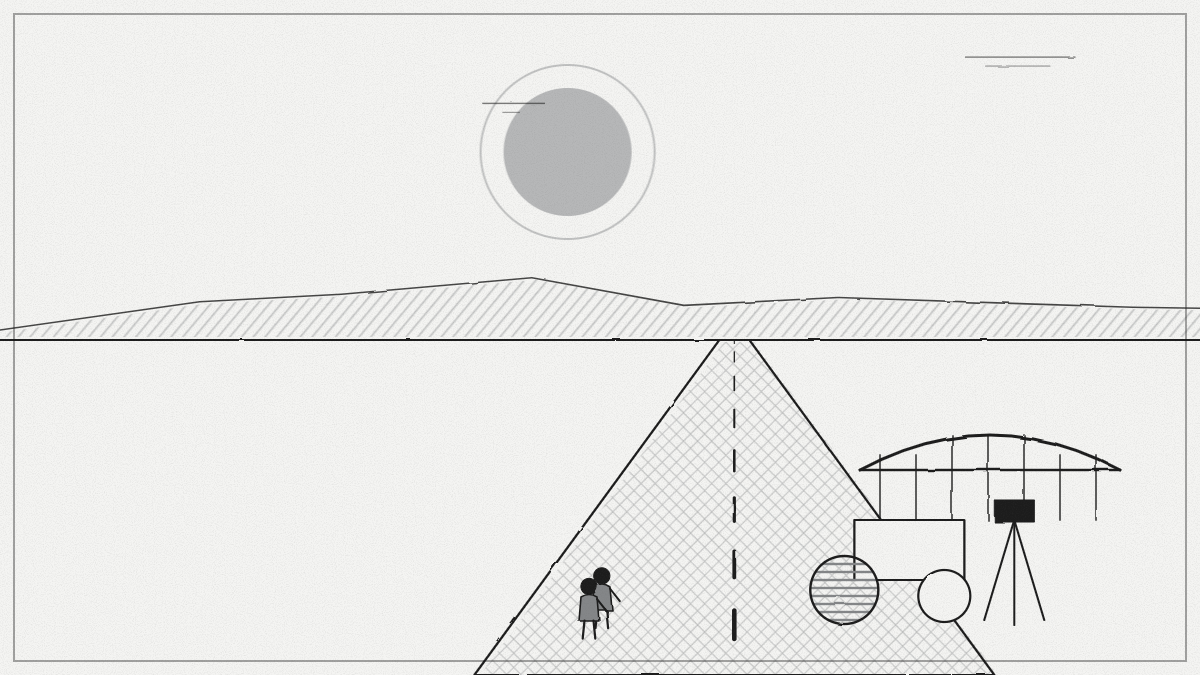
Ducts laid in the same trench cost a fraction of a separate dig.
The design is the point. The project builds ducts along the targeted roads, then relies on private investors to light the fibre through public-private arrangements. The document notes that installing several ducts keeps the marginal cost of adding another fibre low, and it comes after a telecoms law promulgated in September 2021 that opened the way for private investment in fibre infrastructure, a law the Bank’s May economic update calls a key catalyst for digital inclusion. The state operator SCPT manages 620 kilometres of cable from Kinshasa to the Muanda landing station that the Bank calls poorly maintained, which shows how thin the existing backbone is. A road corridor with ducts in the ground gives a private wholesaler a ready route.
What the checkpoint will test
Travel time, broadband access and overloaded trucks are the stated indicators.
The BCC’s digest of 22 June shows Kinshasa inflation at about 8 per cent over twelve months and Brent above $110, the cost backdrop against which freight rates in the interior are set. The project’s own indicators are the reduction in travel time, the share of climate-resilient infrastructure, road crashes, broadband access as a share of population in project areas, and the percentage of overloaded trucks unloading excess charges. Each is measurable along a corridor, which is what makes the project testable. In lifecycle terms it sits at approved: financing is secured, bidding documents were being finalised at appraisal, and contracts, construction and commissioning are still ahead.
What businesses along the corridor should do now
Prepare for lower freight costs, but make them a plan, not an assumption.
Distributors, agricultural buyers and telecom resellers working in Kasai and the Kivus should map which of their routes fall inside the 440 kilometres and which do not, since the benefit stops where the paving stops. Retailers should track contract awards as the first real signal, ahead of any gain in travel time. Telecom operators should engage the ministry and regulator early on duct access terms and the universal service fund, because the commercial rules for lighting the fibre will matter as much as the trench.
Sources
- Banque Centrale du Congo – Condensé hebdomadaire d'informations statistiques n°24 (22 June 2022)
https://www.bcc.cd/statistiques/condense-informations-statistiques/2022-06-22 - World Bank – World Bank Approves $750 Million to Support Critical Governance Reforms, Transport Infrastructure and Digital Connectivity (28 June 2022)
https://www.worldbank.org/en/news/press-release/2022/06/28/world-bank-approves-750-million-to-support-critical-governance-reforms-transport-infrastructure-and-digital-connectivity - World Bank – Project Appraisal Document, Democratic Republic of Congo Transport and Connectivity Support Project (June 2022)
https://documents1.worldbank.org/curated/en/141991655916124024/pdf/Congo-Democratic-Republic-of-Transport-and-Connectivity-Support-Project.pdf - World Bank – République démocratique du Congo : Mise à jour économique, 7e édition, Nouvelle loi sur les télécommunications : un catalyseur essentiel (May 2022)
https://thedocs.worldbank.org/en/doc/61714f214ed04bcd6e9623ad0e215897-0400012021/related/P1715680ffce710ff0a4810e103d1e5a4c4.pdf