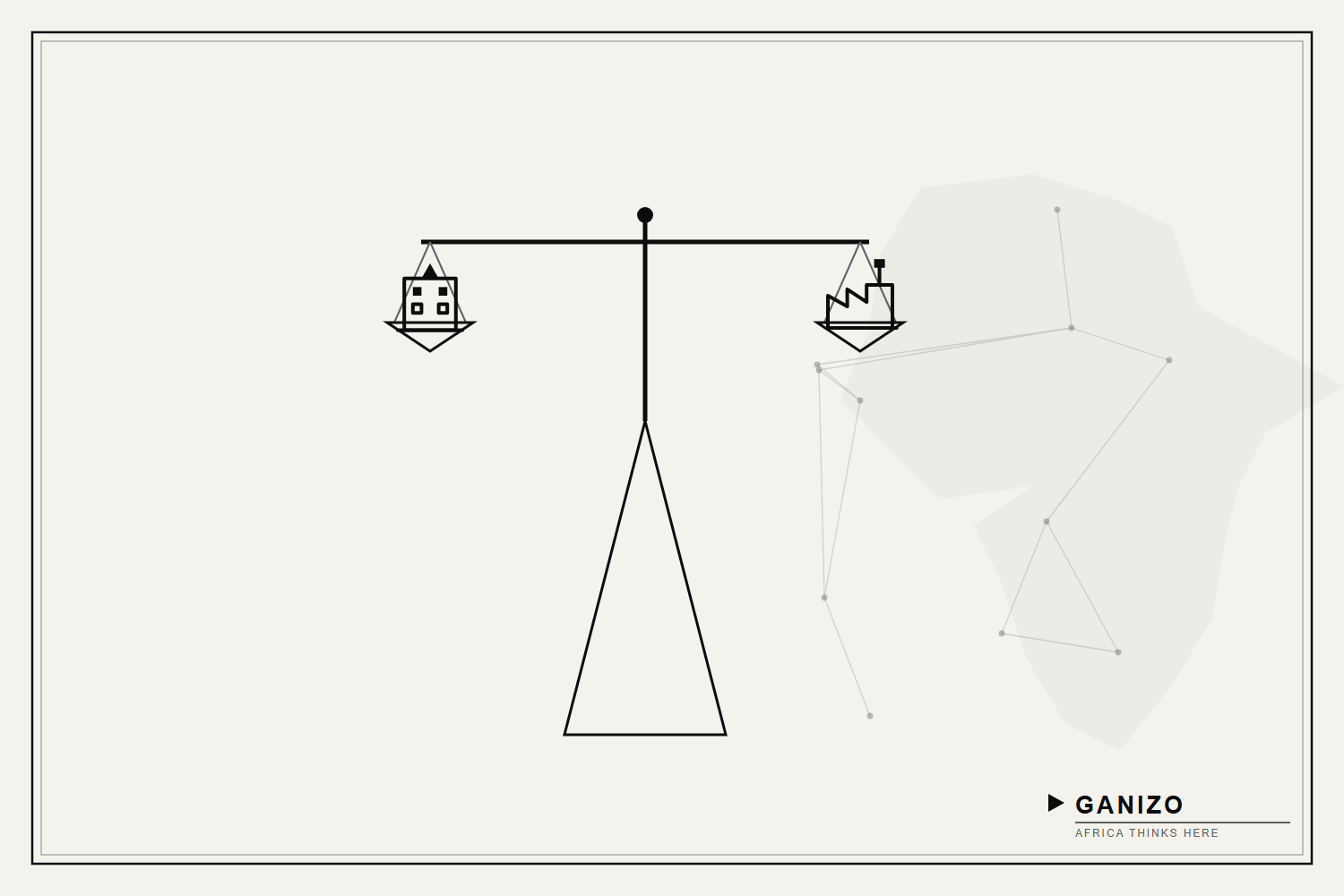
Every conservation success carries a distribution question inside it: who gains, who is asked to give something up, and who decides. Kafue’s repositioning is being told as a story of recovery, and on the evidence it largely is. But growth in a protected area is never neutral. Tourism revenue, tighter law enforcement, restored ecosystems and community livelihoods pull in different directions, and the harder the park works commercially, the sharper those tensions become. The debate worth having is not whether Kafue should be revived, but on whose terms, and with what accountability.
The Ownership Question
The partnership model sits on a deliberate compromise: the state retains ownership while a non-profit operator runs the park day to day. That structure solves the resourcing problem, but it raises a governance one. Long management mandates concentrate real operational control — over enforcement, access and revenue — in a single external body, and the public accountability for that control is easy to lose track of. The transparency commitments visible in African Parks’ 2024 annual report matter precisely because they are the mechanism by which a delegated operator answers for a national asset. Ownership on paper means little without visibility over decisions in practice.
The takeaway: delegated management is only legitimate if the delegation stays accountable.
Enforcement and Its Human Cost
Protection has a coercive edge that the brochures leave out. Stronger law enforcement — the anti-poaching patrols and access controls that make wildlife recovery possible — falls hardest on the people who live nearest the park, some of whom relied on its resources long before it was a tourism asset. There is a real trade-off between securing the ecosystem and the livelihoods of communities whose historic use of the land is now curtailed. Handled badly, enforcement turns neighbours into adversaries and protection into a source of grievance. Handled well, it is paired with alternatives and consent. The distinction is not a detail; it is the difference between conservation that holds and conservation that is resisted.
The takeaway: enforcement without livelihoods is a conflict waiting to happen.
Winners, and the Excluded
It is worth naming the beneficiaries plainly. The clear winners are the wildlife, the national tourism balance sheet, the conservation operator and the high-value tour businesses positioned to sell the revived park. The state gains a strategic asset and international standing. The groups most at risk of exclusion are the rural communities on Kafue’s margins — those who bear the restrictions of enforcement but may not see a proportionate share of the revenue, and whose voice in decisions can be thin. A repositioning that enriches everyone except its immediate neighbours would be both unjust and unstable, because those neighbours hold a permanent veto in the form of the pressure they can put on the park.
The takeaway: the excluded group at the boundary is also the one that decides whether protection lasts.
The Reforms the Model Still Needs
Accountability is not automatic; it has to be built. The reforms that would make Kafue’s model durable are procedural more than dramatic: transparent, published reporting on enforcement and revenue; clear, enforceable community benefit-sharing so that a defined share of tourism income reaches surrounding populations; genuine local participation in decisions rather than consultation after the fact; and a governance framework that keeps the state’s ownership meaningful over the length of the mandate. None of this slows the conservation gains. It secures them, by ensuring that the people asked to live with the park have reason to defend it.
Kafue’s revival is real, and it is worth defending from the temptation to treat governance as an afterthought. A protected area managed well but accountable to no one is a fragile achievement. The task now is to make the ownership, the enforcement and the benefits legible to everyone with a stake in them.
The takeaway: conservation that lasts is conservation that shares its gains and shows its workings.