Infrastructure that bypasses the Treasury is moving; the part the state must pay for is not.
Congo’s 2025 budget earmarks CDF 21,964 billion for investment, 48.4 per cent of all spending and more than three times the 2024 share. By 26 February the Treasury had paid out CDF 377 billion on capital projects, which is 1.7 per cent of that envelope. The gap is not a sign of failure so much as a map of how infrastructure actually gets built in Congo: through financiers who bypass the Treasury, and through the Treasury’s own cash, which comes last.
In late March the clearest example of the first route was a port on the Atlantic coast. The second route shows up in the BCC’s fiscal table.
The plan and the cash
A budget that targets 48.4 per cent investment met a Treasury spending 8.7 per cent on it.
The 2025 finance law, reported on 4 November 2024, sets total spending at CDF 49,847 billion, up 21.6 per cent, with investment at CDF 21,964 billion. Of that, CDF 9,828 billion is to come from domestic resources and CDF 12,136 billion from external financing. The Treasury table in the BCC weekly digest shows what is paid in cash. Through 26 February, capital spending was CDF 377 billion, about US$132 million, against total spending of CDF 4,358 billion. The share, 8.7 per cent, compares with 12.2 per cent in 2024, when capital spending reached CDF 3,538 billion.
How projects get built anyway
External and concession money flows directly to contractors, so it never shows in Treasury cash.
The external CDF 12,136 billion is the key. Loans and grants from partners that pay contractors directly never pass through the Treasury’s accounts, so the fiscal table understates what is being built and the budget overstates what the state itself can fund. The same applies to concessions. On 21 March, Africanews reported that DP World had selected the Portuguese contractor Mota-Engil to build Banana Port, the country’s first deep-water port, in Kongo Central. The first phase is a 600-metre quay and a 30-hectare storage area handling 450,000 containers a year, with British International Investment supporting the financing. A second phase would extend the quay by more than two kilometres.
On the lifecycle ladder, Banana has moved from financed to contracted. The money is private and development-bank money, and the Treasury has not had to find it.
What the Treasury must still pay for
A port needs a road, a grid and customs staff, and those lines sit in the weak column.
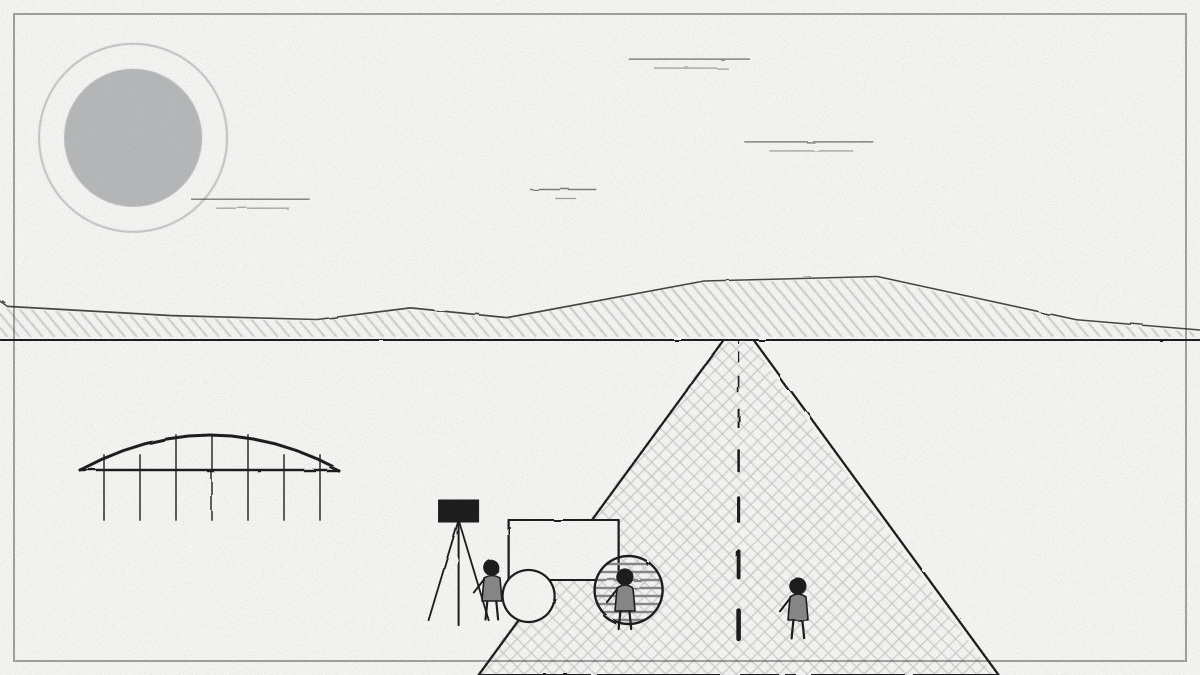
A deep-water quay is only as useful as the connections behind it. A container terminal on the coast moves cargo to Kinshasa, Matadi and the Copperbelt only if the national road, power and customs systems work. Those are public works, paid from the line that ran at CDF 377 billion in eight weeks. The BCC’s own activity table shows the constraint on the power side: electricity output was 13,470 gigawatt-hours in 2024, slightly below the 2023 level. The port can be built by a concession. The grid, the corridor and the administration around it cannot.
The pattern is that infrastructure Congo finances through enclaves, such as mines, ports and concession-built terminals, moves at the speed of the investor. Infrastructure that depends on Treasury cash moves at the speed of revenue, which was CDF 3,509 billion in the first eight weeks against spending of CDF 4,358 billion.
Checking the next gate
Follow the financing source, then ask for payment security on anything the state must fund.
For contractors and suppliers, the practical test is where a project’s money comes from. A contract funded by a development bank or a concession holder carries the credit risk of that financier. A contract paid from the Treasury’s capital line carries the cash-flow risk shown in the fiscal table, and should be priced with payment security such as an escrow, a development-bank guarantee or milestone advances. For investors in logistics and warehousing around Banana, the checkpoint is not the port’s inauguration but the first sign of a funded access road, because that is where public money must follow private money. Until it does, cargo capacity will be ahead of the corridor.
Sources
- Banque Centrale du Congo – Condensé hebdomadaire d'informations statistiques n°12 (26 March 2025)
https://www.bcc.cd/statistiques/condense-informations-statistiques/2025-03-26 - Banque Centrale du Congo – Statistiques du secteur monétaire : Bons BCC
https://www.bcc.cd/statistiques/secteur-monetaire/bons-bcc - Africanews – DP World selects Mota-Engil to build DRC's first deep-water port (21 March 2025)
https://www.africanews.com/2025/03/21/dp-world-selects-mota-engil-to-build-drcs-first-deep-water-port/ - Agence Congolaise de Presse – Loi des Finances 2025 : le budget général d'investissements porté à 48,4% (4 November 2024)
https://acp.cd/economie/loi-des-finances-2025-le-budget-general-dinvestissements-porte-a-484/