Southern maize halved in price while eastern staples climbed, and the road explains the gap.
Congo’s farm economy closed July 2025 pulling in two directions at once. In the south-east, maize that traders paid 100,000 francs a sack for at the turn of the year was selling for less than half that; in the east, the World Food Programme counted about 28 million Congolese in acute food insecurity. One market produced both facts, and what separates them is the cost of moving a tonne, not the quality of the soil.
The price signal also reached the export side. The central bank’s weekly digest of 30 July puts London robusta at $3,312 a tonne on 23 July, down from $5,694 on 31 January, a fall of 42 per cent. New York cocoa slid from $11,545 at the end of 2024 to $8,232 over the same window. These crops are small beside copper and cobalt, yet they are the cash income of the households that also grow the food.
Where the glut came from
Cheaper imports and a better harvest halved maize prices in the south-east.
Bankable reported that in the first quarter of 2025 a 25 kg sack of maize in Grand Katanga fell from 100,000 to 46,000 francs, and that a 3 kg measure in Kananga went from 7,000 to 2,500. Two forces were at work. In August 2024 the government adopted 24 support measures for maize importers, trimming duties and taxes by 5 to 50 per cent, and local supply grew with World Bank-financed schemes and the Nkwadi agricultural park, according to the same report.
The structural gap did not close. Bankable put national maize output at about 3 million tonnes against demand near 13 million. A price fall of this size says that supply routes got cheaper for a season, not that Congo has a surplus.
Why the east tells the opposite story
Conflict removed supply and added mouths, so staples rose where fields could not be reached.
The WFP’s 27 March release on the latest IPC analysis counted 3.9 million people in emergency conditions, and reported maize flour and cassava flour 37 per cent above their December 2024 levels. It listed the franc’s weakness and shuttered banks among the causes alongside the fighting.
Kinshasa sits between the two. The weekly consumer-price series the BCC reproduces from the national statistics institute shows food prices in the capital rising by roughly 0.13 per cent a week through July, a pace that compounds to about 7 per cent a year. That is far gentler than the east, because the capital eats imported rice and wheat priced against a franc that has barely moved.
The mechanism: from field to Kinshasa plate
The price at the farm gate is set by the road, the store and the mill before the harvest.
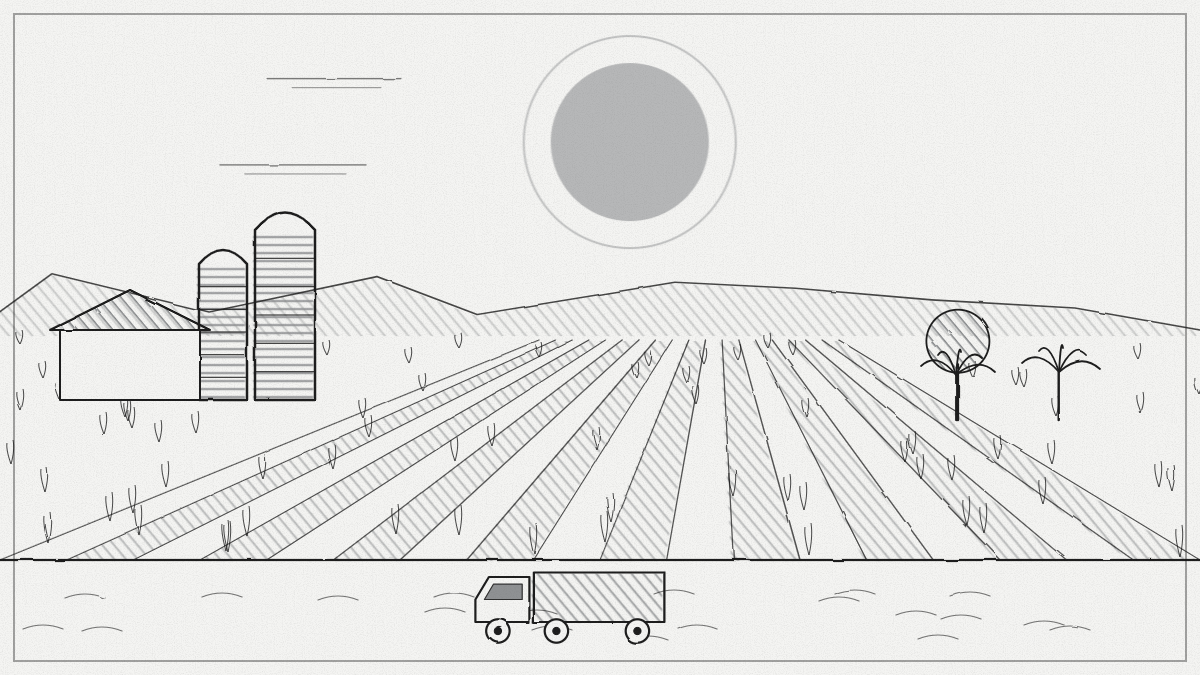
Follow a sack of maize from Kasai. A trader buys at the field, pays a truck owner to cross a degraded road, stores in bags that lose weight to damp and pests, and sells into a market where importers of rice and flour set the ceiling. Every layer carries a cost of money: the BCC’s digest records the average commercial lending rate in francs at 24.68 per cent nominal and 30.14 per cent effective, against 13.67 per cent nominal in dollars. A trader who borrows in francs to hold stock pays more than the grain’s likely price gain.
Processing is thin. The BCC’s activity table shows wheat flour milling at 215,457 tonnes in 2024 and 53,681 tonnes in the first quarter of 2025, a flat line, and the mills rely on imported wheat. Without more milling capacity near the maize belt, a glut has nowhere to go but the roadside.
What this does to business decisions
Margin now accrues to whoever can store and deliver, not to whoever buys cheapest.
For a Kinshasa miller or brewer, southern maize is cheap only if it arrives dry and on schedule. The traders who gain are those with warehouse space at aggregation points such as Mbuji-Mayi or Kananga, because they can sell after the harvest trough rather than into it.
The decision for buyers and lenders
Contract on delivered cost, finance storage, and treat the glut as a window.
Agribusiness buyers should price southern maize on the delivered cost into Kinshasa and Lubumbashi, not on the farm-gate price that makes headlines, and should sign multi-season offtake with cooperatives that hold storage. Banks should test dollar-denominated warehouse financing for processors, since the rate gap above is the obstacle. The glut will not last without milling and roads behind it; the buyers who build both quietly now will own the supply chain when prices turn.
Sources
- Banque Centrale du Congo – Condensé hebdomadaire d'informations statistiques n°30 (30 July 2025)
https://www.bcc.cd/statistiques/condense-informations-statistiques/2025-07-30 - Bankable – Maïs : les prix en baisse au premier trimestre 2025 dans le Kasaï et le Katanga (2025)
https://bankable.africa/en/actualites/1704-1044-mais-les-prix-en-baisse-au-premier-trimestre-2025-dans-le-kasai-et-le-katanga - World Food Programme – Conflict and rising food prices drive Congolese into one of the world's worst food crises according to new IPC data (27 March 2025)
https://www.wfp.org/news/conflict-and-rising-food-prices-drive-congolese-one-worlds-worst-food-crises-according-new-ipc - Banque Centrale du Congo – Notes de conjoncture (publications page)
https://www.bcc.cd/publications/notes-de-conjoncture