Congo can grow food and sell it in Kinshasa at stable prices; the east’s missing link is cash.
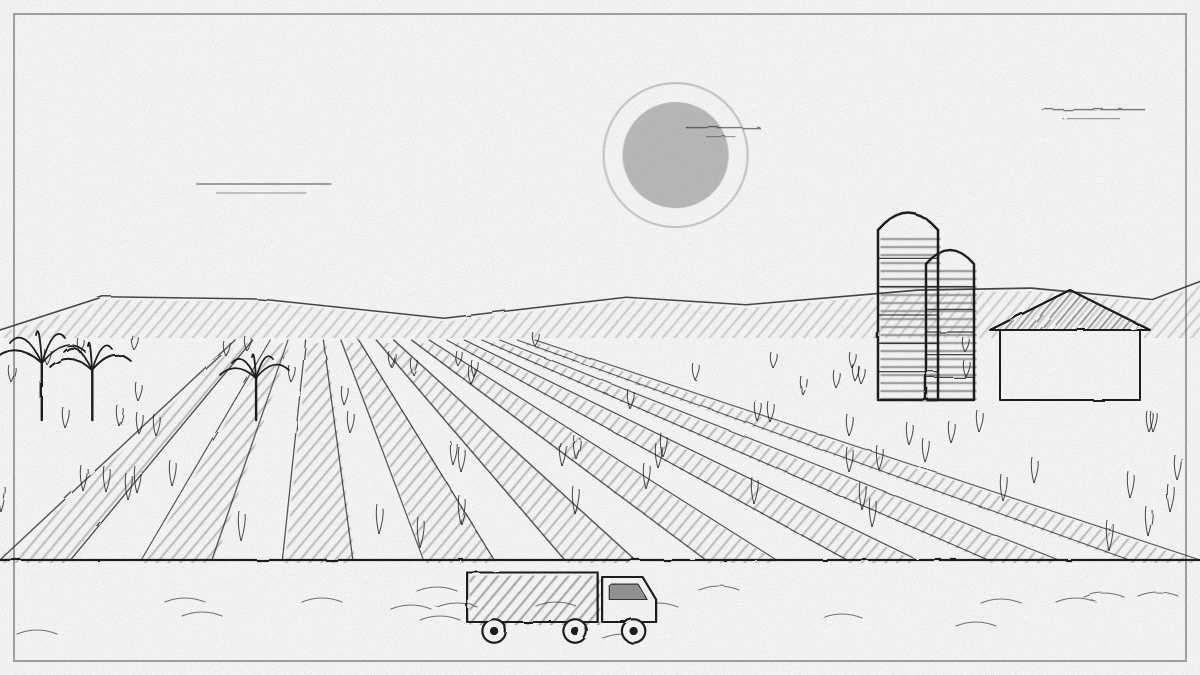
In the first half of 2025, 27.7 million Congolese are projected to be in acute food insecurity, the highest count the IPC has recorded for the country, and 10.3 million of them live in four eastern provinces. In the same weeks, the national food index in the BCC’s digest rose by under 1 per cent over six weeks. Congo can grow food and, in the capital, can buy it at stable prices. For millions of people the missing link is the market, not the field.
The April evidence says the binding constraint on the food economy is access: cash, transport and a working payment system. Production potential comes second.
Two markets, one country
Kinshasa’s food index moved 0.16 per cent a week; the east is priced by a war.
The BCC’s national price index for food and non-alcoholic beverages rose from 428.74 in the tenth week of 2025 to 432.89 in the sixteenth, a 0.97 per cent rise over six weeks. The franc was within a CDF 14 band in April, so imported staples in the capital were not repriced by the currency.
The WFP, publishing the new IPC results on 27 March, reported that food prices in conflict-affected areas had risen by up to 37 per cent against pre-crisis levels. That is the agency’s figure from its monitoring. The 3.9 million people in emergency conditions and the 27.7 million in crisis or worse are the IPC analysis’s projection for January to June, covering 24 per cent of the population analysed.
What access means in practice
A farmer who cannot be paid cannot restock, so cash is a farm input.
Food moves through a chain of credit: farmer to aggregator, aggregator to transporter, transporter to wholesaler, wholesaler to market trader. Each hand-over is settled in cash or through bank transfers. After M23 took Goma and Bukavu, the provincial branch of the Central Bank and all commercial banks in the east closed, VOA reported on 12 March, and money changers who normally take dollars from withdrawals said their trade had stopped. A chain that settles in cash stops when the cash stops, however good the harvest.
The IPC analysis links the food crisis to the same two forces: conflict that displaces farmers and economic disruption that removes the means to buy. The WFP counted more than 2 million displaced people among the acutely hungry, 738,000 of them at emergency level.
The size of the response
Humanitarian funding is being asked to cover a market gap.
WFP and the Food and Agriculture Organization said they had assisted 464,000 people in 2025 and needed US$399 million over six months to reach 6.4 million. At those figures the planned reach covers a fraction of the 27.7 million projected in need. Aid fills the demand gap where households cannot buy, but it does not rebuild the buyer-seller chain that normally moves surplus from producing districts to consuming ones.
The macro frame is stable for now. The BCC’s reserves reached US$6,738 million on 25 April, and national inflation was 9.96 per cent in the fourth week, so the economy beyond the east is not contending with price shocks. That makes the east a local market failure inside a stable national economy, which is the type of problem a business can address with design.
What a food business does differently
Move settlement, storage and sourcing away from the points of failure.
For agribusiness firms and traders, three adjustments follow. First, shorten the cash chain: pay aggregators on delivery through mobile-money rails where operators are working and keep working capital in small, frequent tranches. Second, source from producing areas that stay connected to a functioning payment system and a road, and treat Kivu volumes as upside, not a base case. Third, build storage close to consuming centres, so that a blocked road or a closed bank does not strand stock for weeks.
The next test is whether the east’s banking gap narrows after the 25 April Washington declaration, or widens. Plan on the second until a bank reopens.
Sources
- Banque Centrale du Congo – Condensé hebdomadaire d'informations statistiques n°17 (30 April 2025)
https://www.bcc.cd/statistiques/condense-informations-statistiques/2025-04-30 - World Food Programme – Conflict and rising food prices drive Congolese into one of the world's worst food crises according to new IPC data (27 March 2025)
https://www.wfp.org/news/conflict-and-rising-food-prices-drive-congolese-one-worlds-worst-food-crises-according-new-ipc - IPC – Democratic Republic of the Congo: Acute Food Insecurity Projection Update for January – June 2025 (March 2025)
https://www.ipcinfo.org/ipc-country-analysis/details-map/en/c/1159546/ - VOA Africa – Congo bank closures bite consumers, hamper local economy in eastern DRC (12 March 2025)
https://www.voaafrica.com/amp/congo-bank-closures-bite-consumers-hamper-local-economy-in-eastern-drc/8008053.html