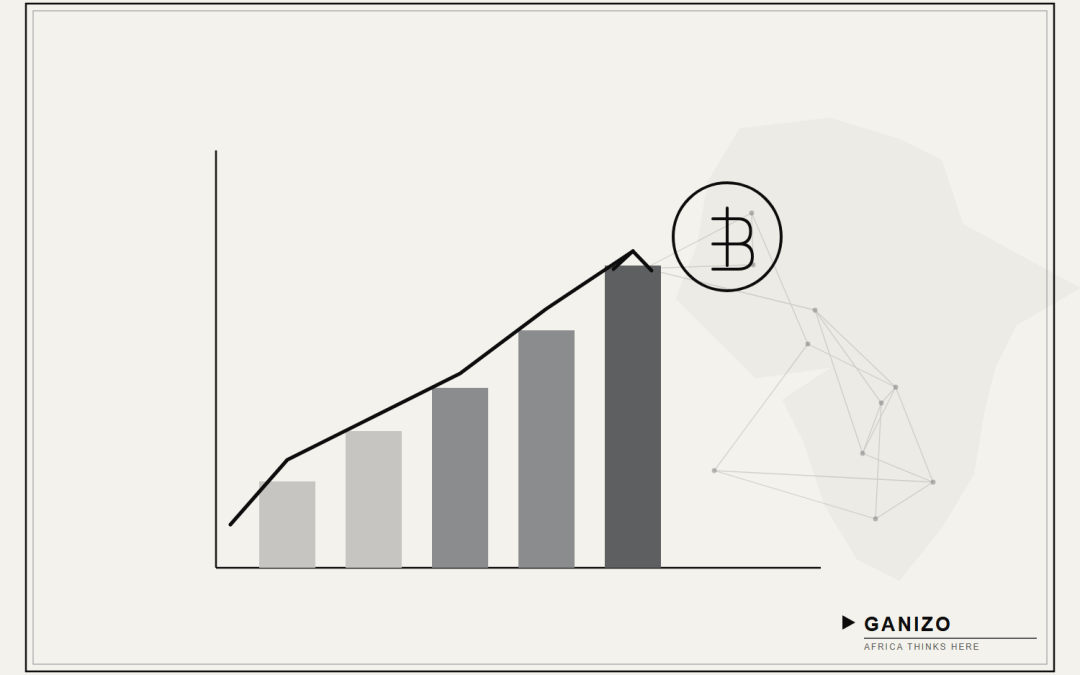
Zones for Growth: Malawi Bets K51.2bn on Industrial Parks and SEZs
Malawi has never been short of factory ideas. It has been short of factory floors. The 2026/27 budget tries to close that gap directly, setting aside K51.2bn to develop industrial parks and special economic zones intended to spur manufacturing and pull in investment....
Somali border markets show how checkpoints shape trade
Trade corridors in the Somali borderlands cannot be understood only through roads, customs posts and official tariffs. New PeaceRep research argues that checkpoints themselves function as economic and political institutions that shape the movement of goods and people...
Egypt’s property market needs a data infrastructure layer
Egypt’s real-estate market has scale, capital and development activity, but industry participants are increasingly focusing on something less visible: the information infrastructure behind transactions. Ahmed Elbatrawy, founder and chief executive of the Egyptian Real...
AI demand raises the stakes for Congo’s coltan supply chain
The expansion of artificial intelligence is creating a new layer of demand risk around one of eastern Congo’s most contested minerals. Coltan is processed into tantalum, which is used in capacitors that manage power in electronics and high-performance computing...
Nigeria’s sovereign cloud turns data infrastructure into economic policy
Nigeria’s National Sovereign Cloud Initiative is moving cloud computing from a procurement issue into economic policy. NITDA and the Budget Office have created a multi-agency technical committee to work through the fiscal, procurement, financing and investment...

Scholarships and Skills: China’s Bet on African Human Capital
China is pledging tens of thousands of scholarships and training places. The dividend depends on whether those graduates come home and find work.

Schools You Can See: China’s Visible but Underwritten Education Build in Africa
China has funded more than 170 schools across Africa. The visible buildings raise a quieter question of who pays the teachers and bills after handover.
Clinics and Classrooms: China’s Twin-Track Health Story in Africa
China’s foreign ministry counts decades of medical teams and tens of thousands trained. The harder question is what stays once the visiting doctors fly home.
Malaria’s Playbook: What Tanzania Learned From China’s 1-3-7 Method
China eliminated malaria at home, then exported the method – not the medicine – to Tanzania. The transferable lesson is a system, not a shipment.

COVID-19 in the Sahel: China’s Medical Team Lands in Burkina Faso
Early in the pandemic, China sent doctors and protective equipment to Burkina Faso – a small deployment that showed how its older health channels were repurposed.
Ebola, 2014: When China Sent a Mobile Lab to West Africa’s Front Line
Most donors sent money and statements. During the worst Ebola outbreak on record, China sent a mobile laboratory and 59 people to run it.

Hospitals as Aid: China’s Brick-and-Mortar Health Footprint in Africa
A hospital is the most visible form of aid and the hardest to sustain. China has funded scores across Africa – and the building is the easy part.

Six Decades of Medical Teams: China’s Oldest Pledge to Africa Endures
The newest headlines about China in Africa are railways and ports. One of the oldest threads is quieter and far older: a doctor at a rural clinic.

Hawassa’s women: The export line that runs on rural migrants
Industrial parks promise women formal jobs, and Ethiopia’s flagship park is staffed overwhelmingly by young rural migrants, yet the wages testing that promise sit near the poverty line.

Industrial parks: Value-chain infrastructure, or just serviced land
Industrial parks are sold as value-chain infrastructure, but a fenced plot with power and a road is only real estate until firms cluster and a supply chain forms inside it.
Farm to factory: Chinese agribusiness and Africa’s missing middle
Chinese firms in African agriculture are pitched as a farm-to-processing story, yet most of the recorded investment still sits at the farm gate, where the value chain is thinnest.

Agricultural training: A yield story wearing a diplomatic suit
The training programmes are read as diplomacy, but the figures that matter are agronomic, and a farmer measures the result in tonnes per hectare, not in communiques.

Demonstration centres: Where China’s agronomy meets Africa’s yield gap
The centres are presented as platforms for productivity, yet a demonstration plot and a smallholder field are not the same place, and the distance between them is where the real story sits.

A tropical agriculture centre: research as the slow infrastructure of trade
China is building a centre for tropical agricultural science with Africa. Laboratories rarely make news, but the seeds and methods they produce may outlast any single trade deal.

Grow, process, sell: the business chain Africa keeps leaving incomplete
China’s pledges span planting, processing and trade. The middle link, turning crops into finished goods on African soil, is the one the continent most needs and most often misses.