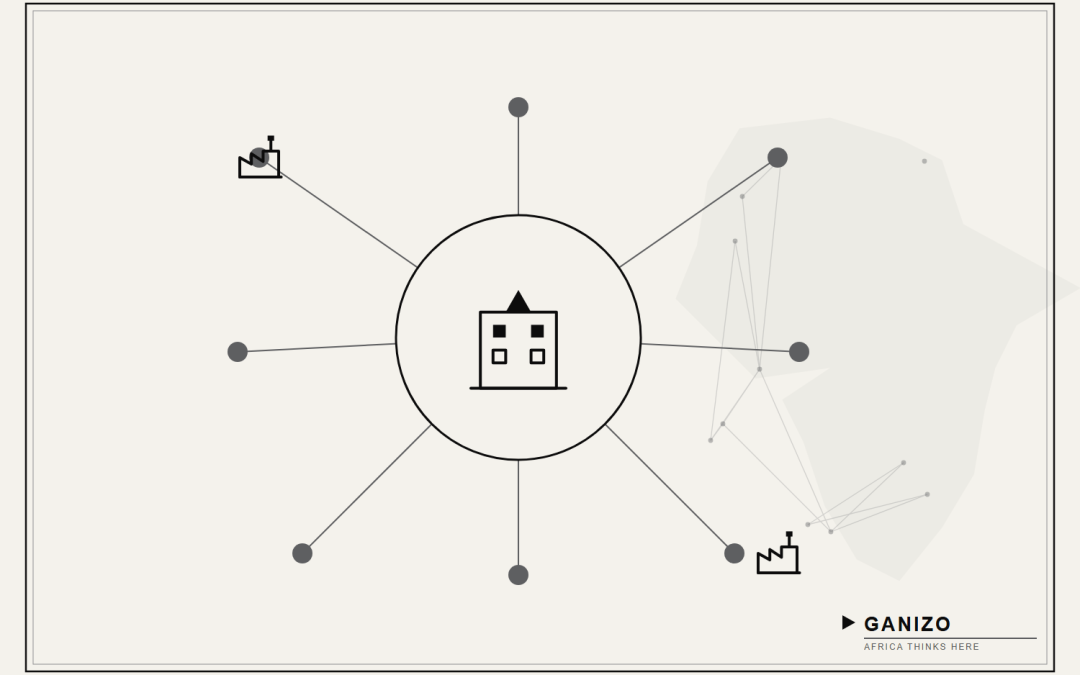
The Current State of Livingstone International Cultural and Arts Festival
A festival can generate two very different things — headlines and results — and they are easy to confuse. Every cultural event announces itself as a success; far fewer can show what actually changed. For the Livingstone International Cultural and Arts Festival, the...
Nissan’s Tekton launch tests an import-led South Africa strategy
Nissan’s launch of the Tekton SUV in South Africa is more significant than a new-model introduction. It is the first clear market test of the company’s strategy after ending local vehicle production, selling its Pretoria plant to Chery and shifting toward an...
Bank Windhoek’s N$21 million investment broadens banking’s development role
Bank Windhoek’s disclosure that it invested more than N$21 million in community development and social-value initiatives during its latest financial year is useful because it shows a broader change in how banks define their operating environment. The amount included...
Botswana’s diamond strategy joins a wider African producer bloc
Botswana’s decision to join Namibia and South Africa in the Beijing Declaration on Natural Diamonds and Sustainable Development is more than a marketing exercise. It reflects a producer-country attempt to influence how natural diamonds are positioned in one of the...
Who Benefits From Likumbi Lya Mize and the Makishi Tradition?
Every plan to monetise a tradition runs into the same wall: some of what makes it valuable is precisely what cannot be sold. The Makishi masquerade grew inside mukanda, the initiation that turns Luvale, Chokwe, Luchazi and Mbunda boys into men, and Likumbi Lya Mize at...

Grow or Green: Where Chinese Energy Lands in Africa’s Two Imperatives
Africa is told to cut emissions and to grow, at once. Chinese energy projects sit on the seam between those demands – and which way they tilt has shifted.

Generate, Carry, Build: Reading Africa’s Power Sector as One Chain
Generation, transmission and industry are usually budgeted in separate columns. The output of each is the input of the next – which is why the weakest link sets the pace.

The Wires Between: Why Transmission Earns Its Own Story, Not a Footnote
New power plants get the headlines. The lines that carry their output get a clause at the end. That ordering hides where Africa’s electricity is actually lost.
Power as Productivity: Why Africa’s Energy Gap Is a Jobs Problem First
Energy access is usually counted in households connected. The sharper measure is what unreliable power does to the firms and workers who already have a line.
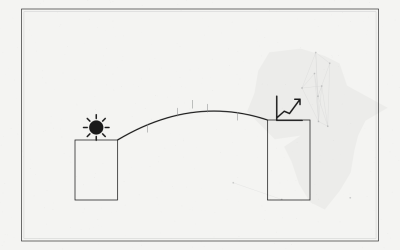
Green Triad: How Hydropower, Wind and Solar Anchor a New China-Africa Bargain
Beijing frames its African energy work as a single green transition. The record shows three very different technologies, doing very different jobs, in very different places.

Green Envoys: A Skills Programme Long on Mission, Short on Headcount
The China-Africa Green Envoys Program promises green skills and a homegrown workforce. Six years on, the published record still carries the mission – but not the number of Africans actually trained.
Early-Warning Systems: Two Islands, One Test of Resilience Infrastructure
Climate early-warning systems for Seychelles and Madagascar are the quiet end of the green portfolio. Modest in scale, they may be the most directly protective of lives – if they reach beyond two

Green Industrial Chains: A US$700 Million Fund Bets on Africa Keeping the Value
A China-Africa Green Industrial Chain fund of about RMB 5 billion, with seven early projects approved, signals a next-phase pitch: not just power, but the supply chains around it – and the value they

Clean-Energy Contracting: RMB 21 Billion in Revenue, and a Question of Whose
China reports RMB 21.18 billion in contracted clean-energy project revenue since the Beijing Summit. The figure is real – the open question is how much of that contracting value lands in African
Solar for the Off-Grid: 50,000 Households Against a Continental Dark Map
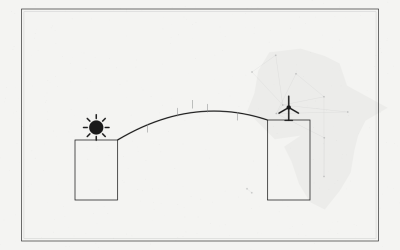
A US$14 million fund targets at least 50,000 families beyond the main grid. Set against more than 600 million Africans without power, the cooperation is precise, modest and worth measuring honestly.

Africa Solar Belt: A Demonstration Pledge Meets a 600-Million Access Gap
China frames the Africa Solar Belt as a clean-energy access story. Yet the materials it lists – streetlights, kits, one power station – sit against a shortfall of more than 600 million people.

De Aar’s Turbines: A Chinese Wind Flagship in South Africa’s Dry Heart
Longyuan’s De Aar wind farm, 244.5 MW across 163 turbines in the Northern Cape, became the first wind project financed, built and run by a Chinese firm in Africa.

Cheap and Clean: Can Low-Cost Renewables Make African Factories Competitive
Chinese-built solar and hydro promise the low tariffs manufacturers need, but cheap clean power only sharpens competitiveness when the rest of the industrial base is ready.
Selling Sunlight Downhill: Ethiopia and Djibouti Wire a Regional Power Trade
A second 230-kV line will lift Djibouti’s import capacity from Ethiopia toward 220 MW – turning surplus hydropower into an export and a neighbour’s reliable supply.

The Lines Between: Why Africa’s Real Power Story Is the Wires, Not the Dams
China’s foreign ministry counts 66,000 km of transmission and distribution lines built across Africa since 2000 – the unglamorous wiring that decides whether a dam ever reaches a home.